How Community Radio Can Win Over Young Broadcasters and Audiences

This blog post is a reflection from workshops at the NEMBC (now Multicultural Voices Australia) Conference 2026 regarding youth broadcasters and audiences in community radio. It was a fantastic conference with multi-cultural stations from all over Australia in attendance. Big thank you to the NEMBC/MVA team, and associated stations that attended the event.
Radio isn't dying. But it is changing, and understanding how young Australians communicate, consume media, and connect with their world goes a long way toward making sense of where community radio fits into their lives.
The data paints an encouraging picture, once you know where to look.

Young Australians Are Still Listening
One thing worth noting upfront: Gen Z hasn't abandoned radio. According to the Infinite Dial 2024 Australia report from Edison Research and Commercial Radio & Audio (CRA), 82% of 18–34-year-olds tune into radio in any given week. That's virtually the same as older demographics. Australian radio reaches 81% of the total population, making it one of the strongest radio markets anywhere in the world.
What has changed is how young people listen.
The same report found 3.2 million Australians aged 10 and over are now listening to radio via streaming, and that number keeps climbing. CRA's GfK Survey 3 results from 2024 showed streaming radio growing strongly in the morning, with nearly 1.38 million listeners tuning in via digital platforms during breakfast alone, up 13% since the prior survey.
Edison Research president Larry Rosin summed it up well:
"For younger people, really everything is to do with the phone… they're very attached to it and they are typically phone-first in everything they do."
For community radio, that's worth sitting alongside programming and technology decisions. The signal is no longer just FM. It's an app, a stream, and a link someone shared on Instagram.
The Car Isn't the Gateway Anymore
For a long time, in-car listening was radio's golden ticket. Captive audience, regular commute, habitual tune-in. Radio still dominates in-car audio overall (84% of Australians say it's their dominant in-car choice, per Infinite Dial 2025), but the car itself is becoming a less reliable entry point for reaching young audiences specifically.
Roy Morgan data shows only 63% of Australians aged 18–24 drive, compared to over 90% in older age groups. Research from the University of Adelaide found driver licensing rates for 17–19-year-olds fell from 62% in 2009 to 55% in 2018, and the trend hasn't reversed since.
Young people in cities are taking the train, using Uber, or riding. And when they are in a car, whether theirs or a mate's, they're far more likely to connect their phone via Bluetooth and open Spotify, Apple Music, or a radio app like TuneIn than to scroll for an FM frequency. The CRA reported streaming radio listening in cars rose 75% in just two years, from 16% of respondents in 2022 to 28% in 2024. That shift tells you where young in-car listeners are heading, and streaming availability is becoming a more important piece of the puzzle.

The Phone-First Generation Needs a Phone-First Experience
Gen Z (born roughly 1997–2012) grew up with a screen in their hand. In January 2025, there were 20.9 million active social media accounts in Australia (77.9% of the population), with Gen Z spending around 10 hours a week on social media, down from a peak of nearly 13 hours as the generation becomes more deliberate about their usage.
YouTube, Instagram, and TikTok dominate Gen Z attention in Australia. WhatsApp has overtaken Facebook Messenger as the preferred messaging app, with Australian users spending an average of 29 minutes a day inside it.
For community radio, it suggests the on-air experience is only part of the picture. Young listeners tend to want to engage with a broadcast, to react, respond, and feel like they're part of the show, through the same platforms they already use to talk to their friends.
SMS requests still happen, but they're less and less how younger audiences reach out. WhatsApp messages, Instagram DMs, and social media comments are increasingly where those conversations happen.
Young Broadcasters Need More Than a Microphone
The challenge isn't just about attracting younger listeners. It's about attracting younger presenters and volunteers too. The community broadcasting sector relies on approximately 17,800 volunteers contributing more than $250 million in value each year (CBAA & CBF, 2024), with paid staff making up less than 5% of the workforce. Growing that volunteer base with younger contributors is an important part of the sector's long-term health.
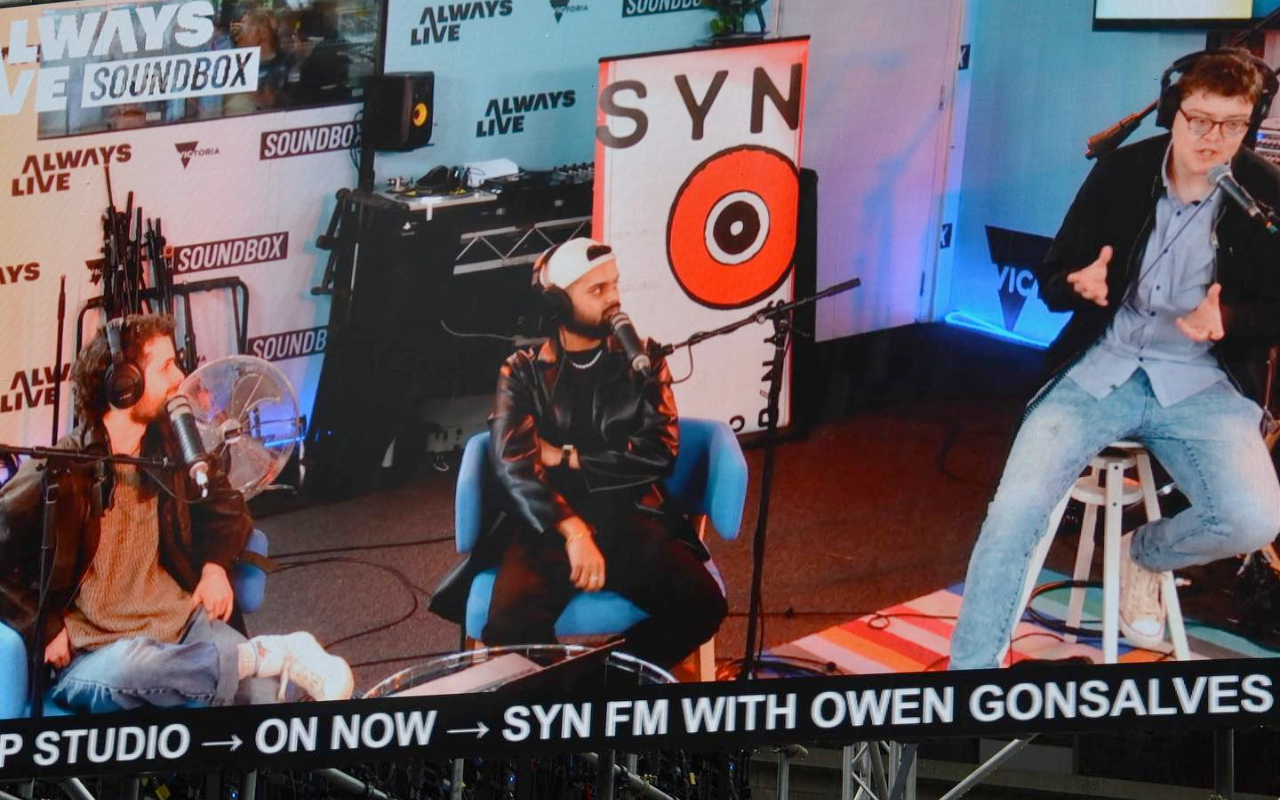
Melbourne's SYN Media (90.7 FM) (a beloved customer of Studiio!) is a good example of what this can look like. Purpose-built for people aged 12–26, SYN had over 3,500 student participants and 300+ active volunteers as of 2025, producing radio, podcasting, and digital content out of RMIT University. A lot of its success comes from treating young people as contributors rather than just recipients.
Something worth understanding about young broadcasters is that they've grown up in an environment of instant feedback. TikTok shows your view count in real time. Instagram tells you who liked your post within seconds. Snapchat confirms your message was read. Sitting behind a mic with no clear sense of whether anyone's listening can feel a bit strange to a young presenter who's used to that immediate loop of response.
That's just the media environment they came up in, and it's useful context for thinking about how stations can keep young presenters feeling connected and motivated.
Real-time listener interaction makes a difference: a dedicated WhatsApp number, a textline, live social feeds during shows, or even a simple on-screen display of streaming listener counts. The December 2024 Community Radio Listener Survey found that 60% of community radio listeners feel more connected to their local music scene through community radio. That sense of connection needs to extend to the people behind the mic as well.
What the Roadmap Tells Us
The CBAA and CBF's Roadmap 2033 identifies digital transformation and audience diversification as critical priorities for the sector, and for good reason. Community radio's strength has always been hyper-local relevance and an authentic voice, exactly the kind of thing younger audiences are increasingly hungry for after years of algorithm-driven, corporate-curated content.
Between October 2024 and May 2025, AMRAP (the Australian Music Radio Airplay Project) recorded 250,000 plays of Australian music on community radio. Young listeners who care about local artists and emerging sounds are a natural fit for community stations, and the numbers suggest that audience is there to be found.
Practical Steps for Community Stations
For attracting younger listeners, the priorities are getting your stream onto the platforms they use (Community Radio Plus, TuneIn, iHeartRadio, your own app etc...), maintaining an active presence on social media with behind-the-scenes and clip content, promoting a WhatsApp number or Instagram DM for requests and shoutouts, and clipping show highlights into short-form video for Reels and TikTok.
For attracting and keeping young broadcasters, it comes down to building in feedback loops: a real-time listener engagement feed visible during their show, and a culture where presenters are encouraged (and supported) to promote their shows on socials. Partnering with local TAFEs, universities, and youth organisations is also worth serious consideration. SYN's model shows what's possible when community radio formally embeds itself in places where young people already are. And giving young presenters a clear on-ramp through guest spots, co-hosting, and regular mentorship from experienced presenters goes a long way toward turning a one-time volunteer into a long-term contributor.
Where Things Are Heading
Community radio and young Australians' media habits are more aligned than they might first appear. The appetite for local music, authentic voices, and genuine community connection isn't a generational divide. Where things diverge is more in the delivery and the feedback loop.
Young people are listening to community radio, and many are keen to make it too. Meeting them where they are, on their phones, through the apps they already use, and creating space for them to feel engaged in the moment, seems to be where the opportunity lies.
That's not a reinvention. It's an evolution, and Studiio is here to help your community radio station attract younger talant and audiences through listener engagement.